Tamil Blog

Thursday, 25 November 2021

Knee replacement surgery: Finding a good doc is the key

Many elderly patients think that their bad knees would eventually force them into a wheel chair for life! Not so! Modern medical science can put most of them back on their feet, says Dr Bharani Kumar, a bones’ specialist and surgeon from Chennai, India.

One of his patients, Surojeet Chatterji, even went on to climb a mountain after being treated for his failed knees!

Surojeet, an acclaimed pianist, had long wanted to visit the Machu Picchu heritage site, located at 7000 ft in the Andes Mountain, Peru, South America. He had, however, abandoned the idea after he injured his knees while out on a jog in the US. For five years he lived in unforgiving pain. He could not even bear the thought of climbing a staircase, let alone scale a mountain.


Things, however, changed soon after he came to India to work as a professor of piano at music composer AR Rehman’s school in Chennai! At the city’s Apollo Hospital, he met Dr Bharani, who operated on him and replaced his damaged knees with a pair of artificial ones.


Another of Dr Bharani’s patients, Vijayalakshmi Ashok, had had a similar account. She was, in some sense, worse off than Surojeet. Besides her damaged knees, she was also suffering from rheumatoid arthritis, a condition that causes the deformity of joints. Her husband says she could hardly steer a step; she was in such agony!

Eventually, she too had her knees replaced!

Surojeet and Vijayalakshmi are among the 120,000 people who go for knee replacement surgeries every year in India.

Most of the cases, come out good, given that India has some of the finest pool of bone specialists and surgeons in the world!

The significance of the doctor is highlighted by Surojeet. He recalls Dr Bharani telling him that not all patients qualify for a knee replacement surgery. Some are better off with more conventional treatment forms. It is just how a competent doctor assess and evaluates a patient!


In fact, Dr Bharani did not see Surojeet as a candidate for knee replacement, the first time they had met. It was only after the latter agreed to the rigorous conditions of post surgery and long-term care that the doctor decided to go for it.

“Body implants, whether screws, plates and knees caps, usually last for 10 years. Unless the owner is prepared to commit to the extra-ordinary and longterm conditions of care in the use of the new parts, it could mean another round of replacement surgery for the patient concerned” says Dr Bharani. 

“Surojeet was 65 years when he came to me. Ordinarily, knee replacement for him meant he would have had go under the knife again at 75.”

Knee replacement surgery is never easy on a patient. One, it can be expensive if he is not insured. Two, it entails months of painstaking and relentless sessions at the physiotherapist’s.

Surojeet says he spent 7 to 8 days at the hospital following the 3 hours of surgery. He spent another three month following up with his physiotherapist. 

Unlike Surojeet, Vijayalakshmi was a “copybook case for knee replacement”. Though only 50 when she met Dr Bharani, she was in a bad shape. The erosion of her knee had been compounded by rheumatoid arthritis. She was in severe pain and much discomfort, and her life was being wasted confined to the nooks of her house. 

Happily, for both Vijayalakshmi and Surojeet, the outcomes have been more than good! Both are now walking fine; both have got back to living their respective lives!

Needless to say, they think highly of Dr Bharani and his work. Surojeet describes him as humble, sensitive, understated and highly skilled — qualities that Surojeet thinks should be the standard for all doctors who watch out for their patients! In fact, Surojeet says his friends in the US who see him walk and go about his life, maintain that such good results cannot be achieved even there. 


Contact No :+91 8825881253


Monday, 1 February 2021

Shoulder Replacement Surgery

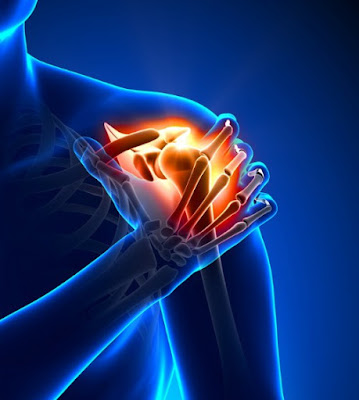
Shoulder replacement surgery is done to replace the damaged parts of the shoulder with artificial prosthesis to reduce pain and restore range of mobility of the shoulder. This surgery has yielded high success rates to treat the severe pain and stiffness caused by end-stage arthritis and even a severe shoulder fracture. Shoulder replacement surgery not only relieves pain but also restores pain-free movement, strength and function of the shoulder.

Who can benefit from shoulder replacement surgery?

Shoulder replacement surgery can be beneficial for people with weakness or loss of motion in the shoulder, severe pain that interferes with their daily routine, persistent pain even when the shoulder is at rest, and also for those with no improvement in their shoulder condition after trying non surgical treatments like medications, injections, or physical therapy. Few condition that require a shoulder replacement surgery are:

  •     Osteoarthritis
  •     Rheumatoid arthritis
  •     Avascular necrosis
  •     Severe shoulder fracture

Recovery after shoulder replacement surgery

Oral medications are prescribed to ease the discomfort after surgery and it is recommended to start rehabilitation therapy as soon as possible. For at least a month after the surgery, it is important to have less arm function and avoid  lifting any objects that are heavy. Most people are able to resume their daily activities within two to six weeks. Shoulder replacement surgery is a safe and effective option to relieve shoulder pain and help people to resume everyday activities.

Blog Reviewed By: Dr. Bharani Kumar Dayanandam
Mail Us : info.chennaiortho.com@gmail.com
Book Your Appointment Here : chennaiorthopaedics.com/book-appointment

Friday, 27 November 2020

What are knee ligaments and what are their injuries?

Ligaments are bands of tough, elastic tissue that connect bones to each other and provide strength and stability to the joint. In the same way, Knee ligaments are the elastic bands of connective tissue that hold the knee together. There can be various causes of knee ligament injuries including an injury caused by an accident or while playing sports, etc. When ligaments are injured, the knee joint may become unstable. A damaged ligament may limit proper knee movement and may cause an inability to turn, twist, or pivot the leg.  

There are four major ligaments in the knee that connect the femur (thighbone) to the tibia (shin bone). They are as follows:

  • Anterior cruciate ligament (ACL):  This ligament lies in the center of the knee. It controls the rotation & forward movement of the tibia (shin bone).
  • Posterior cruciate ligament (PCL): This ligament lies in the center of the knee. It controls the backward movement of the tibia (shin bone).
  • Medial collateral ligament (MCL): This ligament provides stability to the inner knee.
  • Lateral collateral ligament (LCL): This ligament provides stability to the outer knee.

What are the symptoms of a knee ligament injury?

The symptoms of a ligament injury may include the following:

  •   Sudden and severe pain
  •   You may hear a popping sound when the injury occurs  
  •  Swelling in the knee   
  •   Inability to move knees as you generally do
  •   Feeling like looseness in the joint
  •   Inability to put weight on the joint without pain or any weight at all

What is the treatment of a knee ligament injury?

 Treatment may include:

  • Muscle-strengthening exercises
  • Medicines such as ibuprofen
  • Usage of Ice pack to reduce swelling
  • Usage of protective knee brace during exercise
  • Surgery


How can you prevent an injury to the knee ligament?

It is usually difficult to prevent knee ligament injuries but some precautions can be taken to reduce their occurrence. These include the following:

  • Make sincere attempts to your thigh muscles strong with the help of regular stretching and strengthening.
  • Try to maintain flexibility.
  • Before taking part in rigorous exercise or physical activity, warm up your body with light activities.
  • Do not make rapid changes in your workout. Make changes slowly and gradually increase the weight.

Blog Reviewed By: Dr. Bharani Kumar Dayanandam
Mail Us : info.chennaiortho.com@gmail.com
Book Your Appointment Here : chennaiorthopaedics.com/book-appointment

Tuesday, 22 September 2020

Regeneration of Cartilage

Cartilage acts as a kind of connective tissue in our body. The unique structure of cartilage makes it a flexible tissue but it is also very strong. It helps in keeping the motion of joints smooth as it coats the bone surfaces and acts as a cushion against force or impact. There are three types of cartilage in the body-elastic cartilage, hyaline cartilage and fibrocartilage. 

What causes damage to cartilage?

An injury or regular wear and tear can cause damage to cartilage tissues. If not treated timely, the damage can lead to arthritis. Unlike other tissues, cartilage doesn’t have a supply of blood and due to this, the damage that is done to cartilage cannot be repaired by the body.

How does the Regeneration of Cartilage work?

Once we reach adulthood, the repair of cartilage doesn’t work very well within the body, thankfully medical innovations have led to the regeneration of cartilage outside the body. In this process, rather than making use of an artificial implant, a natural way of healing the cartilage by using the cells of the patient is adopted. This can greatly help in regaining the normal function of the affected joint. Cultured cells are grown in a medical lab and are then injected with the aim to replace the dysfunctional or unhealthy cells.

How is the Regeneration of Cartilage done?

Small cuts or incisions are made in the bone to extract cartilage biopsy from a portion that may be considered a little less important. The procedure is generally conducted through arthroscopy. The extracted cartilage is sent to the lab where cells that match the size are constructed. This takes a few weeks. Once the cultured cells are ready, they are implanted through a small incision. 

What to expect after the procedure?

After the successful implant of cartilage, a routine programme of rehabilitation is followed. Most patients can resume their everyday activities within 2 months. However, the doctor would be the best judge and the given instructions must be followed strictly. 

Regeneration of cartilage is a process that involves a low risk of infection or disease transmission as there is no foreign material that goes inside. It can greatly help in preventing the progression of osteoarthritis which can further avert the need for a joint replacement.

Blog Reviewed By: Dr. Bharani Kumar Dayanandam
Mail Us : info.chennaiortho.com@gmail.com
Book Your Appointment Here : chennaiorthopaedics.com/book-appointment

Wednesday, 22 July 2020

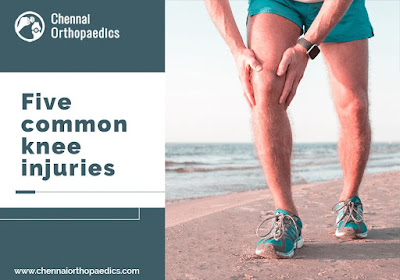
Five common knee injuries

The human knee is the largest and the most complex joint in the human body. It also happens to be the most vulnerable and heavily used one too, and hence, more prone to injuries. 

 Knee Injury

Problems of the knee can be either injury, mechanical problems, arthritis of various types and problems caused by other health issues. Knee injuries often involve damage to the various components that make up the joint, like the bone and muscles, cartilage, tendons and ligaments.

Five of the most common knee injuries are:
  1. Anterior Cruciate Ligament (ACL) injuries: this is one of the four ligaments connecting the thigh and the shin bones and an injury is when a tear appears in the ligament, weakening it. This is a very common sports injury and happens when a sudden and violent change of direction of movement occurs.
  2. Tearing of the Meniscus: the meniscus is a piece of cartilage that acts as a cushion or shock absorber between the thigh and shin bones. It is tough rubbery cartilage, and if the knee is suddenly twisted when weight is put on it, it can be torn or damaged. 
  3. Fractures: as the bones of the knee, including the knee cap, are among the most exposed bones in the body, they can be easily damaged or fractured, if any short, sharp force is applied to them, like a fall or a hard bump into a harder surface. This is worse for people with osteoporosis, a condition where the bone is weak and brittle, as a fracture can occur for seemingly no reason at all.
  4. Bursitis: The bursae are small liquid-filled bags that cushion the muscles, tendons and bones near the various joints. Bursitis is when the bursae become inflamed due to another injury in the same area.
  5. Tendinitis / Tendonitis or in our case Patellar Tendinitis: Tendinitis is a condition where one or more of the tendons, the thick fibrous tissue attaching the bones to the muscles, become irritated and inflamed. The patellar tendon is the one which connects the muscles on the front of the thigh to the shin bone. This too is a very common sports injury.
 Knee Injury

Blog Reviewed By: Dr. Bharani Kumar Dayanandam
Mail Us : info.chennaiortho.com@gmail.com
Book Your Appointment Here : chennaiorthopaedics.com/book-appointment


Friday, 13 March 2020

Knee Replacement for your better Mobility

The joints of our body are critical for our movement and everyday activities, and among them the knee joint is one of the strongest and most important. Wear and tear, illness, or injury can damage the cartilage around your knee joint and hinder your movement.  

 Total knee replacement

Total knee replacement surgery or knee arthroplasty should be considered for those patients whose knee joints have been damaged by either progressive arthritis, trauma, or other rare destructive diseases of the joint. Such patients suffer from severe knee pain, swelling and even bowing of the leg which in turn limits the everyday activities. During knee replacement surgery, the surgeon takes damaged cartilage and a part of the bone out of the knee joint and replaces them with an artificial joint (prosthesis) made of metal alloys, high-grade plastics and polymers. A plastic spacer is placed between the prosthesis which ensures smooth movement of the new joint. 


Patients should have a discussion with an expert doctor on the risks and benefits before making decision about knee replacement. Post surgery, it is recommended to be active by moving around your house, taking walks, and doing the exercises as suggested by your physical therapist as too much rest can slow your recovery down. You can expect long-lasting results by following your doctor's guidelines as most knee replacements have good prognosis and lasts for an average of 20 years.


Blog Reviewed By: Dr. Bharani Kumar Dayanandam
Mail Us : info.chennaiortho.com@gmail.com
Book Your Appointment Here : chennaiorthopaedics.com/book-appointment

Tuesday, 10 December 2019

Time to restore the stability

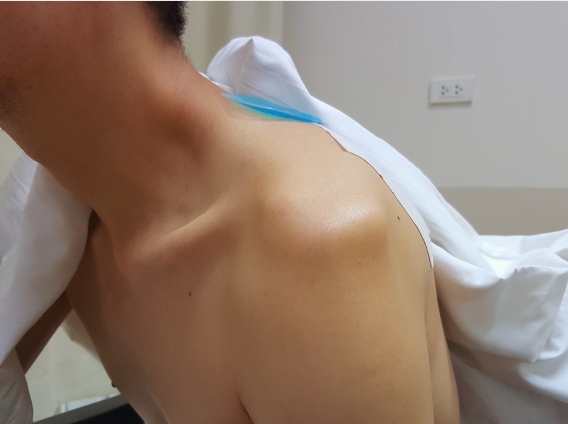
Shoulder instability is a condition with a loose shoulder joint that shifts around the socket after some injury or damage. Sudden dislocation, slipping would lead to severe pain and inflammation in the shoulder joints. This is associated with shoulder instability. Athletes or sportspeople are often faced with shoulder instability.

Shoulder Instability

Usually, shoulder instability can be treated with physical therapy, essential medication, and rehabilitation. However, for severe conditions, the doctor would recommend surgical management to treat shoulder instability. The surgery would differ based on the patient’s condition and focuses on tightening the shoulder ligaments that are loose.

Normally, the surgery depends on the condition or the severity of the patient’s shoulder. The surgeries would include arthroscopy, capsule shift surgery, bankart repair surgery, and latarjet surgical procedure. The doctor uses an arthroscope to identify and resolve shoulder instability.

The recovery period after surgery

Any surgery would require certain painkillers or relievers for a few days. These medications can treat the pain and provide the necessary comfort for the shoulder. The doctor would advise a sling for 5 days and would be asked to extend the period based on the patient’s condition.

Depending on the patient’s condition and the surgery performed, the doctor will recommend physical therapy after 5 days. This physical therapy is performed so as to strengthen the muscles, restore flexibility, and to strengthen the shoulders. The exercises would vary from resistance to strengthening so that the shoulder gets stabilized.

In the first 4-6 weeks, limits on the range of motion will be used to protect the repair. It is recommended to drive only after the first 6 weeks or when the sling is taken. However, heavy lifting and strenuous activities need to be avoided until 12 weeks. Sportspeople and athletes should avoid weightlifting for a minimum period of 16 weeks or as per doctor’s advice. Sports physical therapists could suggest exercises that would prevent injuries in the long run and help maximize performance.


To avoid re-injury and stabilize the shoulder, the doctor would recommend certain tips for the betterment of the shoulder. Ice packs can be used to treat pain and swelling. It is recommended to apply an ice pack daily for 15-20 minutes for a few days. With this and other physical therapies, the shoulder joint will not get stiff. The recovery period will vary based on the shoulder damage, however, the full recovery would definitely take several months.

https://www.chennaiorthopaedics.com/contact-us

Mail Us : info.chennaiortho.com@gmail.com
Blog Reviewed By: Dr. Bharani Kumar Dayanandam

Sunday, 20 October 2019

Reverse Total Shoulder Arthroplasty

Difficulty in shoulder movements can be challenging for day-to-day activities. Treating all pains and shoulder problems is not a challenge anymore. Reverse total shoulder arthroplasty can be one of the treatments for shoulder arthritis. This is a procedure in which the normal ball and socket relationship of the glenohumeral joint is reversed, creating a more stable joint. 

Surgical procedure 

The surgical procedure can vary depending on the patient’s needs and the surgeon’s preferences. Before the surgery, the patient would be either given general anesthesia (will put the patient to sleep) or regional anesthesia (only the required area is numb).

The surgeon removes the affected or damaged bone and replaces the area with new components with the help of a prosthesis to restore the functioning of the shoulder. The components include a metal ball that is screwed into the shoulder socket and a plastic cup that is placed on the upper arm bone. This surgery will take approximately 2 hours.

Who should be treated?

Reverse total shoulder arthroplasty will be suggested for patients with the following signs or symptoms: 
  • Torn rotator cuff which cannot be repaired
  • Unsuccessful shoulder surgery during the past
  • Complex fracture in the shoulder joint 
  • Severe shoulder pain and difficulty with the shoulder movement 
  • Shoulder dislocation 
  • Tumour in shoulder joint 

If any surgeries, treatments, and physical therapy could not improve the problems with the shoulder, then consult a doctor.

Outcomes of reverse total shoulder arthroplasty


 With the help of an expert doctor, the shoulders can restore its comfort and stability as usual. The shoulder can return to the regular lifestyle slowly. There are more results once the surgery is completed, such as 
  • Lessens pain
  • Improves shoulder movement
  • Ability to sleep on the affected shoulder 
  • Ability to perform the daily activities with the affected shoulder 
  • Complications related to the surgery 

 If the patient is not examined correctly, there could be minor risks associated with the surgery: 
  • Infections
  • Bleeding
  • Nerve damage 
  • Pain 
  • Injury to blood vessels 
  • Dislocation 
  • Fracture 
  • Need for additional surgery 

Tips during the recovery period

For a speedy recovery and comfort after the surgery, follow the below measures:  

  • Mandatorily use the medications prescribed by the doctor 
  • Avoid drinking & smoking while under medication
  • Remain in the hospital for a few days after surgery for recovery treatments
  • Advised limited use of the shoulder for a month 
  • Minimal exercises for the shoulder or as instructed by the surgeon 
  • Avoid lifting heavy objects 
  • Avoid sports activities 
  • Minimal movements until the sling is removed 

Usually, the patient can return to the ordinary or the regular lifestyle after 6 weeks of surgery. Rehabilitation and physical therapy is a must for a speedy recovery and comfort of the patient. 


Shoulder injuries are minimal, but severe damage needs to be treated at the appropriate time. The surgeries are cost-effective; hence, the process should not be delayed. At Chennai Orthopaedics, doctors provide the required guidelines and suggest the appropriate surgery for shoulder related issues or damages.


Mail Us : info.chennaiortho.com@gmail.com
Blog Reviewed By: Dr. Bharani Kumar Dayanandam

Thursday, 26 September 2019

All About Shoulder Bone Cancer and Tumors

The human shoulder is the most mobile joint in the body that provides mobility and a wide range of motion to the upper extremity. Shoulder bone tumors can occur when the cells of the bone divide abnormally and uncontrollably forming a mass or lump of tissues. Mostly shoulder bone cancers are secondary forms of tumors that develop else where in the body and spread to the bone in comparison with primary tumors that develop in the cells of the bone. 

shoulder pain care chennai

  Types Of Bone Tumors


Apart from primary and secondary, tumors can either be benign or malignant. Tumors that do not spread to the other parts of the body and are not life-threating are known are benign tumors. Malignant tumors are cancerous and can spread cancer cells throughout the body.

1. Primary Benign Tumors


These kinds of tumors are non-cancerous.they require immediate treatment and surgery before they grow and compress the surrounding healthy tissues. Different types of benign tumors are
  • Osteochondromas - It is the most common type of tumor that accounts for 35% of all benign tumors. It is the overgrowth of cartilage and bone near the growth plate. This condition is often seen in adolescents and teenagers that affect femur, tibia, and humerus.
  • Giant Cell Tumors – It is a relatively uncommon tumor of the bone that occurs in adults. They develop at the lower end of the femur or upper end of the tibia
  • Enchondroma – It is a cartilage cyst that grows inside the bone marrow. It affects the bones in the hands and feet as well as the long bones of the arm and thigh.
  • Fibrous Dysplasia – It is an uncommon gene mutation in which scar-like (fibrous) tissue develops in place of normal bone. This condition makes the weaken bone vulnerable to fracture.

2. Primary Malignant Tumors


Most common type of malignant bone tumors are
  • Osteosarcoma – It is the second most type of bone cancer that develops in shoulders, hips, and knee. It mostly occurs in teenagers and younger adults. It is more common in females than males
  • Chondrosarcoma – It occurs mainly in middle-aged and older adults that develop in the cartilage of hip, shoulder, and pelvis.
  • Ewing Tumor – It usually occurs in patients of age group 5-20 years. The commonly affected locations are pelvis, upper arm, ribs, upper and lower leg.

shoulder tumor treatment chennai

  Secondary Bone Cancer


Multiple myeloma is the most common type of secondary bone cancer that starts in the bone marrow. It nearly affects 20 million people every year that mostly involve adults in the age group 50-70 years. The other type of cancers that can affect the bone include breast, lung, kidney, thyroid, and prostate.

Treatment


The treatment options available for bone tumors are either surgery, radiation therapy, and chemotherapy based on the size and stage of cancer. Limb Salvage surgery is the most preferred procedure to remove cancer cells either from arm or leg. In this procedure, the cancerous bone will be replaced with a metal prosthesis.

If you are in search of best orthopedic surgeon to treat your bone disorders consult Dr. Bharani Kumar Dayanandam at Chennai Orthopaedics.

https://www.chennaiorthopaedics.com/contact-us

Visit Us: chennaiorthopaedics.com
Mail Us : info.chennaiortho.com@gmail.com
Blog Reviewed By: Dr. Bharani Kumar Dayanandam
Book An Appointment : chennaiorthopaedics.com/book-appointment
 

Monday, 15 July 2019

Is Arthroscopy A Major Surgical Procedure?

Arthroscopy is a popular surgical procedure that doctors use to diagnose, look at, and treat issues inside a joint like shoulder joint or knee joints. The outcome and the effectiveness of the surgery are surely major but it is a minimally surgical procedure. Arthroscopic surgery can do wonders for patients who don’t want to go for painful surgery.

Arthroscopy is recommended by doctors in case of joint inflammation, joint injuries or damaged tissues over time. Arthroscopy can be done on any joints like hip, wrist, knee and shoulder joints.

Arthroscopy surgery chennai

Procedure:

Arthroscopy surgery procedure is quite simple and is an outpatient procedure. The patient is first given anesthesia depending on the joint and its conditions. The doctor inserts a special and thin instrument through a very minute small incision on the body. The tool that is used to conduct the procedure is known as an arthroscope which has a camera lens and a light attached to it. This instrument allows the doctor to look inside. The attached camera helps in projecting images of the site onto a screen which is monitored by the doctor.

The doctor thus looks into the joint’s condition, diagnoses the problem, and thus decides the type of surgery the patient needs. In case of requirement of surgery, the doctor inserts special tools through several other small incisions known as portals and conducts the required procedure.

After the surgery the arthroscope and any other attachments are removed and the wounds are closed with stitches or special tapes.

Recovery

The surgery can be followed by a little pain and the doctor can prescribe some medicines in such cases. The surgery reduces joint pains and stiffness and the recovery time is minimal. Certain activities need to be avoided, after the surgery, and it may take a few weeks or months to get back to normalcy.

Complications are rare

Although complications are rare, if you experience any sort of complications after an arthroscopic surgery you must consult a doctor immediately.

Complications can have symptoms as follows:

  • Fever
  • Numbness or tingling
  • Severe swelling
  • Pain that gets worse
  • Discolored fluid seeping from a wound


Mail Us : info.chennaiortho.com@gmail.com
Blog Reviewed By: Dr. Bharani Kumar Dayanandam
Book Your Appointment Here : chennaiorthopaedics.com/book-appointment 

Saturday, 13 July 2019

Can Stress Cause Joint Pain?

We always encounter stressful situations in our life. From meeting deadlines at work, managing finances, traffic jams, to managing kids, stress is something that never gives way in the fast, modern life. It also affects our physical health to a great extent which includes joint pain.

What is stress?


Stress is the body's reaction to prevent harmful situations. Chemical reactions take place in our bodies which makes us to act quickly. This process is known as flight or stress response. 

Stress in a small dose is helpful in achieving unfinished tasks. Our body is designed to handle this. But a chronic or long term stress is harmful. Our body is not equipped to handle such situations and results in health consequences. 


Stress and joint pain 


Joint pain is not a stand-alone symptom of stress. It is developed along with stress and anxiety. Stress causes several reactions that affect the creation and experience of joint pain. People might experience joint pain on a regular basis, and in some cases joint pain might alter a person's day-to-day movements. In many situations this pain is hard to control and difficult to overcome.

Stress can cause Joint Pain


Stress makes your bones to release the minerals they need for bone formation into the bloodstream for the benefit of other tissues. A high amount of these minerals can suppress the body’s repair functions and affect the joints.

Excess production of minerals like cortisol (steroid hormone produced by the adrenal gland), magnesium, zinc, and deficiency in vitamin D and oestrogen are the causes of joint pain.
  • Altered Movements: stress and anxiety, especially panic attacks, can change the way you move, sit and act. These changes in a way that your body isn't used to can lead to joint pain.
  • Stress Inflammation: stress and anxiety can cause inflammation inside the body. This can cause pain in the joints when you move.
  • Immune system dysfunction: stress can directly affect your immune system. A poor immune system will result in joint pressure, distress and pain. 
  • Muscle tension: significant muscle tension and stress is a common outcome of stress and anxiety.  Stiffness makes joint movements difficult and increases the chances of inflammation followed by joint pain. 
  • Perceived pain: People might have joint pain because of several other reasons, which they usually ignore.  Anxiety and stress make one ignore the pain and concentrate on other things. This makes the pain more intense. 
If stress is the reason for your joint pain, then the only way to avoid the pain is by reducing it. Unless you control it, you are going to face a constant struggle with not only joint pain but with all of the other anxiety symptoms.

Mail Us : info.chennaiortho.com@gmail.com
Blog Reviewed By: Dr. Bharani Kumar Dayanandam
Book Your Appointment Here : chennaiorthopaedics.com/book-appointment 

Wednesday, 20 March 2019

What Are The Different Types Of Shoulder Fractures?

Shoulder fractures are common for athletes and sports people. Also sudden accidents while exercising, weight lifting or any other mishap can lead to shoulder fracture. The shoulder joint is one of the most mobile and delicate joints of the body. There are several bones in shoulder that can break or fracture. To analyse the type of fracture, X-ray & diagnostic image test are conducted. The diagnostic images can provide additional information about the fracture condition. Sometimes along with fractures, the ligaments or internal tissues can also get damaged or torn. It is through these images the condition is assessed.

Types of fractures


The shoulder has a ball and socket joint and is highly mobile. It consists 3 bones- clavicle or the collarbone, scapula or the shoulder blade and proximal humerus. The bones are interlinked.

  • Clavicle or collarbone fracture- It is one of the common kind of fracture. You will feel like your shoulder is sagging down if your collarbone is fractured. Common symptoms are swelling and sharp pain.
  • Scapula or shoulder blade fracture- it is a flat and triangular bone that connects the collar, clavicle and humerus. It is one of the strongest bones so doesn't break easily. A direct hit can cause this bone to break down into pieces.
  • Proximal humerus fracture- this fracture can be a result of shoulder dislocation. The humerus gets popped out of the socket. 

Shoulder fracture treatment in Chennai

Symptoms


Before you go for a shoulder fracture treatment in Chennai, this is how you can know that your shoulder is fractured:

  • Stiffness and redness.
  • Inability to move the shoulder.
  • Shrill pain in the shoulder area.
  • A sagged down feeling.
  • Deformed shoulder.

Where should you go for a treatment?


Shoulder fracture treatment in Chennai


Chennai Orthopaedics headed by Dr Bharani Kumar Dayanandam is one such orthopaedic centre which provides class service to the patients. Starting from advanced diagnosis to after surgery care, everything is conducted by the team. The team makes the best use of technology and has successfully operated more than a thousand patients. So if you are searching for a reliable clinic for shoulder injury treatment in India, contact or email us. We will be happy to help you to lead a better life!


Visit Us: chennaiorthopaedics.com
Mail Us : info.chennaiortho.com@gmail.com
Book Your Appointment Here : chennaiorthopaedics.com/book-appointment

Saturday, 19 January 2019

Repairing shoulder instability: arthroscopic or open?

Shoulder instability is a common pathology encountered in the orthopaedic and sports medicine. There are differences between a high school baseball player who feels like his shoulder is loose when throwing and a 40 year old who fell on stairs onto an outstretched arm and dislocated his shoulder? Obviously, they’re both “shoulder instability,” but there are differences, right?

There exists a wide range of symptomatic shoulder instabilities from traumatic dislocations to subtle recurrent subluxations. In general, shoulder instability develops in two different ways: traumatic (injury related) onset or atraumatic onset.  Understanding the pathology of how the instability has evolved is essential in choosing the best course of treatment.


Common ways that a shoulder can become unstable:


Traumatic onset instability begins when an injury causes a shoulder to develop recurrent (repeated) dislocations, Subluxation and labral tear (the labrum is torn or peeled off of the glenoid). Meanwhile, the patient with atraumatic instability has general laxity (looseness or spacious capsule) in the joint as a part of their normal anatomy and the shoulder can become unstable without a history of injury or repetitive strain.

The most common dislocation that leads to traumatic onset is in the anterior (forward) and posterior (downward) direction. A fall on an outstretched arm that is forced overhead, a direct blow on the shoulder, or a forced external rotation force to the arm elevated near the coronal plane are frequent causes of this type of dislocation.

An inferior or posterior(backward) dislocation is not as common as anterior traumatic instability, which is usually related to a electrocution or seizure disorder, events in which the muscular forces of the shoulder cause the dislocation.

Treatment for shoulder instability:


Recurrent or chronic Shoulder instability is often first treated with nonsurgical options. If physical therapy and activity modification do not relieve the pain and instability, surgery may be needed. In certain instances, such as in contact athletes who plan on continuing to participate in sports that put their shoulders at risk and in young persons who have a higher risk of re-dislocation, surgery may be performed after the first dislocation.

Surgical treatment is also considered in patients in whom instability occurs during routine daily activities (dressing, sleeping, etc.). There are basically two methods used in shoulder instability surgery - open and arthroscopic repairs.  A detailed discussion with the surgeon of the treatment options is essential. The rehabilitation following surgery is the same, irrespective of the technique used in the surgery.

Shoulder instability open surgery: Open surgery is often required to correct severe instability. A larger incision is made above the shoulder and the muscles are moved to gain access to the joint capsule, labrum and ligaments under direct visualization.Patients who are contact athletes with a bone defect fail with arthroscopy are better candidates for open procedures.

Arthroscopic Techniques


Although the medical literature has indicated through years of results and analyses that the open procedure is the gold standard, Instability surgery has evolved to the point where many surgeons suggest that the minimally invasive arthroscopic repair is a very viable option.

Recently, arthroscopic procedures are used in capsular shift surgery - when there is a need to tighten up the joint capsule and Bankart repair to repair the torn labrum and reduce capsular laxity. Arthroscopic surgery for Shoulder Instability are performed with visualization through a small fiberoptic scope. Through two or three small incisions, Instruments are inserted into the joint to repair the labrum and the surgical technique is similar to the one used in an open repair. A loose or spacious capsule is harder to address arthroscopically. Procedures using laser or radiofrequency energy to shrink the loose capsule have been developed (Thermal capsulorrhaphy), and are still being evaluated.

Best candidates for arthroscopic stabilization include first-time dislocators, recurrent dislocators and recurrent subluxators. Contraindications include those with large osteochondral humeral defects or significant glenoid bone loss. The results for arthroscopic surgery, in general, are equivalent to the open surgery.  

Arthroscopic vs. Open Surgery


Patients often contemplate - arthroscopic or 'open' surgery which is better? The debate about open or arthroscopic repairs for shoulder instability has been in progress for at least two decades. Open surgery, a procedure using larger incisions and enabling the surgeon to look inside the joint, may be better under certain circumstances for certain procedures. Arthroscopic surgery has also some advantages--smaller incisions, less tissue damage— short- and mid-term results of this technique have been very satisfactory. Several reports recently suggests that long-term results (>5 years follow-up) also remain quite satisfactory, particularly in the absence of significant glenoid bone loss.

The truth is that the choice to have an open or arthroscopic repair depends on patient-specific factors and surgeon specific factors such as the onset of the instability, causes, the total number of dislocations, the surgeon’s experience and preference are important considerations. Depending on these factors (or combination of factors), one surgery may be best for your particular situation. You may also discuss with your surgeon if a particular procedure can be done arthroscopically.


Chennai Orthopaedics at Vanagaram, chennai is a world class healthcare institute for Orthopaedic Treatment in Chennai and provides comprehensive healthcare services with care and dedication. The center is managed by Dr Bharani Kumar Dayanandam, a prominent Orthopaedic Surgeon and Trauma Consultant currently serving as the Consultant Trauma & Orthopaedic Surgeon at Apollo Hospitals, Ayanambakkam, Chennai. The institute has state-of-the-art technology and delivers top-notch healthcare to facilitate the best and shortest road to recovery for every patient. The center offers the entire spectrum of services in trauma and orthopaedics, and also includes shoulder arthritis treatment chennai, trauma surgery, hand surgery, paediatric orthopaedics, arthroscopic surgery and Shoulder Joint Dislocation Treatment Chennai. With world class facility at affordable cost in all orthopedic Sub-specialties, the hospital is committed to provide good quality orthopedic and trauma care to patients from simple fracture treatment to sophisticated joint replacement and arthroscopic procedures.


Visit Us : chennaiorthopaedics.com
Mail Us : info.chennaiortho.com@gmail.com
Book Your Appointment Here : chennaiorthopaedics.com/book-appointment


Tuesday, 13 November 2018

Regenerative Therapy for Arthritis


Everybody knows that all surgeries irrespective of types - carry some inherent risks, like post-op infections, blood clots, adverse reactions to anesthesia, your body not adjusting to the implants, etc. And everyone understands that the recuperation time for a total knee replacement is long and needs your commitment.

There have been many innovations in the use of stem cells for arthritis and knee injuries. Regenerative medicine provides the promising potential of developing alternatives to total joint replacement for treating arthritis. Many arthritic patients fear that a surgery or joint replacement is their only choice. Regenerative medicine, such as stem cell therapy and Platelet-Rich Plasma injections for arthritis, has shown great potential for arthritis treatment as an alternative to surgery. Traditionally, injections only lubricated the joint, but now these innovative procedures can dynamically change the environment within tissue injury or an arthritic joint, helping the body to reduce inflammation and to heal the cartilage itself on a long-term basis. Stem cell therapy, especially, has confirmed to have a great impact in resolving pain symptoms from arthritis.


What is Regenerative Medicine?


Regenerative medicine is a rather new field of study that treats diseases and injuries by harnessing the body’s own regenerative capabilities. Regenerative medicine encompasses a broad range of scientific disciplines and focuses on promoting the restore, re-growth, or replacement of injured/damaged tissues or cells in the body. This is achieved with advanced methods such as platelet-rich plasma therapy, stem cell therapy and prolotherapy, all of which have shown great efficiency against various forms of arthritis.

Regenerative treatment can surely increase your chances of avoiding surgery for arthritis.


1. Stem Cell Therapy


A stem cell is a “blank” cell that hasn’t yet become ‘specialized’, or developed into a specific type of cell — such as muscle cells or nerve cells. Stem cells are capable of dividing and propagating more cells. Stem cells present a life-changing treatment option for those suffering from severe degenerative arthritis.

How do Adult (One’s Own) Stem Cells Work?


When humans are conceived and grown in utero, they start out primarily as stem cells, then as we grow and develop, those “blank” cells become skin cells, liver cells, nerve cells, etc. As we continue to grow up, our bodies keep on producing stem cells to treat and maintain our bodily systems. This means that these cells can be used to treat compatible tissues all over the body, including stem cell knee repair.

Stem cell therapy involves extracting unspecialized stem cells from bone marrow or the fat (adipose) cells from the patient’s body, or placental derived from a donor. These cells are then grafted by injection into the affected area with the intent of helping your body to regenerate new tissue. For instance, when injected into the knee, they can create and regenerate new cartilage and tissue combat the effects of osteoarthritis.

Stem cell treatment may be accompanied by growth factors (such as PRP) to accelerate their growth and development. The result is that new, healthy cells are formed, the painful symptoms of arthritic tissue damage are eased, and quality of life improves radically.

2. Platelet-Rich Plasma Therapy (PRP)


Platelet-rich plasma (PRP) therapy, sometimes called autologous conditioned plasma (ACP) therapy, attempts to take advantage of the blood's natural healing properties to repair damaged tendons, cartilage, muscles, ligaments or even bones.

When the tissue damage in arthritic patients have advanced beyond the body’s capacity to heal itself, In these cases, PRP can be used to reduce pain, improve joint function and possibly slow or even repair damage to cartilage


What is PRP Therapy?


PRP (Platelet-Rich Plasma) Therapy is a regenerative medicine treatment method that encourages natural regrowth of damaged or destroyed tissue.

Here’s a brief breakdown of how the PRP treatment works:
  • A small sample of blood from the patient arm is drawn.
  • That blood sample is placed in a centrifuge that separate fluids of different densities and this concentrates the platelets.
  • The platelet-rich plasma solution is then re-injected into the patient’s body at the affected area.
  • These blood platelets which are rich in growth factors, enhances body’s healing ability and rapidly accelerates the process, repair damaged tissue and stimulate regrowth in the area, providing relief from arthritic pain and joint degeneration.
More high-quality, large-scale clinical studies are performed now to make sure how exactly PRP therapy may alleviate symptoms for certain orthopedic conditions. Orthopaedists who use PRP therapy to treat osteoarthritis hypothesize that the PRP therapy has the potential to:
  • Contain proteins that modify a patient's pain receptors and decrease pain sensation
  • Slow down inflammation and delay the progression of osteoarthritis
  • Stimulate the formation of new cartilage
  • Enhance the production of natural lubricating fluid in the joint, thus easing painful joint friction
Chennai Orthopaedic Center at Vanagaram, Chennai is a world class healthcare institute that provide comprehensive healthcare services with care and dedication. We are the best Orthopaedic Specialist in Chennai and we prove the best septic arthritis treatment in India. The center is managed by Dr Bharani Kumar Dayanandam, a prominent Orthopaedic Surgeon and Trauma Consultant currently serving as the Consultant Trauma & Orthopaedic Surgeon at Apollo Hospitals, Ayanambakkam, Chennai. The institute have state-of-the-art technology and delivers top-notch healthcare to facilitate the best and shortest road to recovery for every patient.


Mail Us : info.chennaiortho.com@gmail.com
Visit Us : chennaiorthopaedics.com
Book Your Appointment Here : chennaiorthopaedics.com/book-appointment


Saturday, 28 July 2018

You Should Not Shed Any Tears For Knee Buckling Hereafter

Are you finding it extremely difficult to stand straight or walk properly? Do you get immense pain around the knees and lose the strength of your knees whenever some weight is being placed on them? Have you been experiencing inflammation on your knees often? If you are familiar with any of these, you should understand the fact that you are under the health condition of locking or buckling of knees. Of course, you would be able to withstand it if you are willing to come to Chennai Orthopaedics Center run by Dr Bharani  Kumar Dayanandam. His team comprising of expert medical professionals offer the knee instability treatment in Tamilnadu.   

https://chennaiorthopaedics.com/knee-pain-treatments/locking-or-buckling-of-knee/

What is Knee Buckling?

Knee joint is a stable joint aiding to perform many physical activities of varying degrees. It could be jogging, marathon race and even household chores. Unfortunately, some disturbances occur that might end up with the damage of patellar ligament. This may, in turn, affect the overall functioning of knee joints and knee becomes unstable. It is sometimes, considered as a response to put a full stop to further damage as well.


What are the Possible Causes to Knee Buckling?

  • The common injury that may affect the knee includes ACL Tears and Meniscus Tears.
  • Knee arthritis
  • Constant and severe kneecap dislocation
  • Patellofemoral pain syndrome
  • Aging
  • Traumatic causes such as moving the joints in the opposite direction


What are the Signs and Symptoms?

  • Unusual knee swelling
  • Severe pain around the knee
  • Loss of knee strength
  • Popping sound at the time of movement of knees
  • Inability to stand and walk
  • Bulging of the knee
https://chennaiorthopaedics.com/knee-pain-treatments/locking-or-buckling-of-knee/


Treatment


Medication such as NSAIDS could be taken for pain relief.
Knee braces are also used so that the movement can be facilitated easily as your tissues are healing.
If medication and supportive devices do not help treat the condition, surgery has to be done for the restoration of fluid motion of the knee.
Certain exercises can also be followed in addition to the medication taken. Yoga, aerobics, balance and agility training ought to be practiced in order to control the weight and keep the joints and muscles flexible.
Knee buckling is not a very serious health issue. Knowing the causes and seeking knee pain treatment in Chennai from reputed hospitals like Chennai Orthopaedic Center will take away the concern in no time.
Now, are you willing to believe that knee bucking treatment in Chennai is not a misery?   
https://chennaiorthopaedics.com/contact-us/

Mail Us : info.chennaiortho.com@gmail.com
Visit Us : chennaiorthopaedics.com
Book Your Appointment Here : chennaiorthopaedics.com/book-appointment

Knee replacement surgery: Finding a good doc is the key

Many elderly patients think that their bad knees would eventually force them into a wheel chair for life! Not so! Modern medical science can...